Water extraction and drying in Hemet
Extraction removes the standing water. Drying removes what soaked into the structure. Call to describe the water and be connected with an independent contractor who does both.
Tap to call. Say your ZIP code and what happened.
Extraction first
Standing water is pumped or vacuumed out before anything else. A wet-dry vacuum handles a puddle. A truck-mounted pump or a submersible pump handles inches of water across a floor.
Carpet pad holds water like a sponge, and it is usually cut out and discarded. The carpet on top can sometimes be lifted, dried and set back.
Why drying takes longer than pumping
Water soaks into drywall, wood framing, subfloor and insulation. Air movers push dry air across surfaces while dehumidifiers pull the moisture out of the room, so the wet materials give it up.
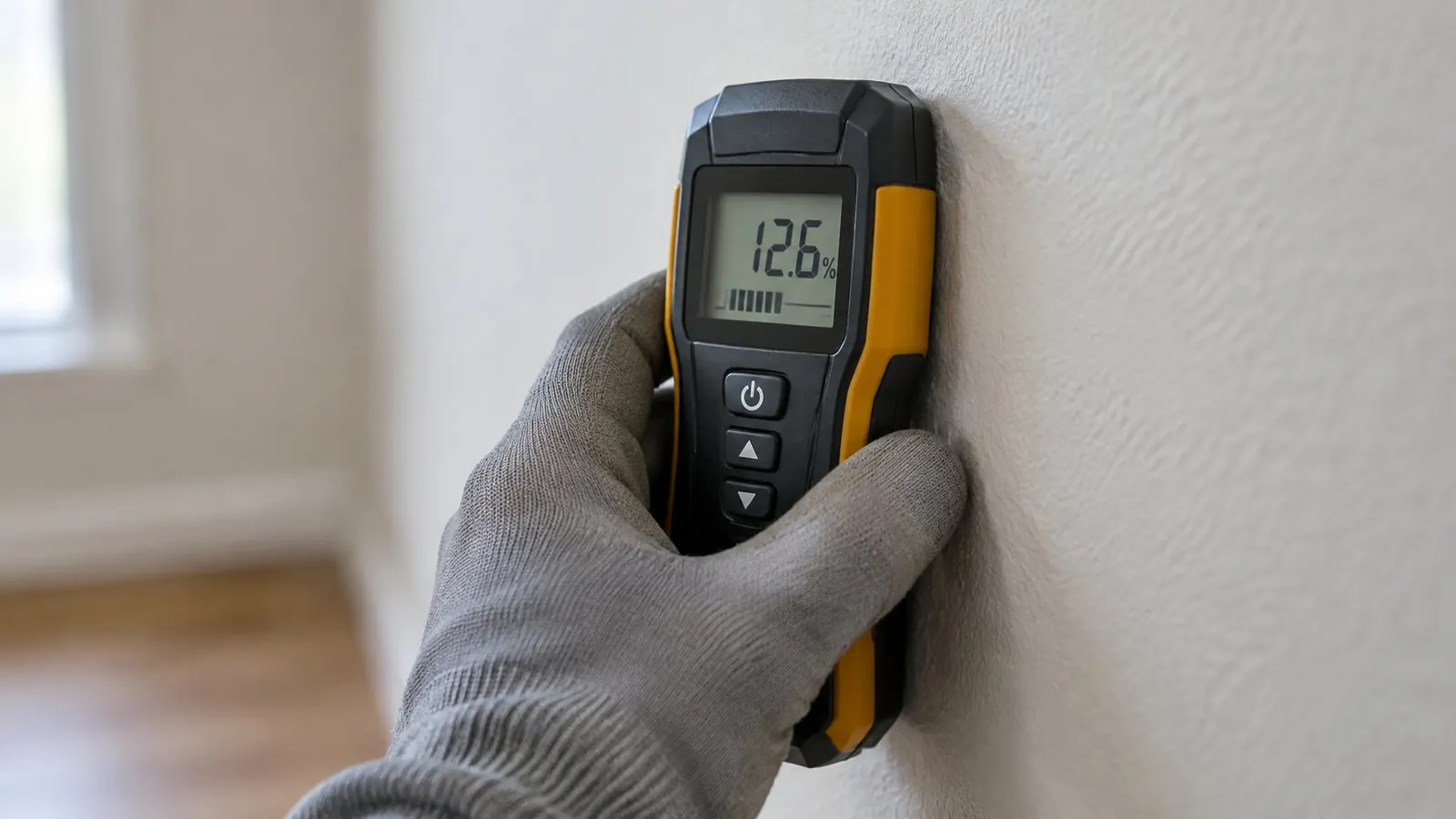
A moisture meter shows what you cannot see. The contractor records readings on a wall and on the floor, then repeats them over the following days. Drying is finished when the readings return to the level of a dry part of the same house.
Things worth asking
- Where will the meter readings be taken, and will I see them?
- Which rooms will have equipment, and how many pieces?
- Which materials do you expect to remove rather than dry?
- Who turns the equipment off, and what number tells them it can go?
Equipment is loud and draws power. Ask how many circuits it needs so a breaker does not trip while you are out.
In a dry valley, windows are not a dry-out plan
Hemet's air can be dry, but a wet wall cavity stays wet. Opening windows does little for moisture trapped behind baseboards or under laminate. The California Department of Public Health suggests removing drywall and baseboards where walls got wet, so the cavity can dry.
Common questions
Can I rent equipment and dry it myself?
You can, but a meter and a plan matter more than fans. Without readings you cannot tell whether a wall cavity is dry.
Should I turn on the air conditioning?
The state health department advises against running a central furnace or air conditioner if it or its ducts were flooded, since that could spread mold. Ask the contractor before running HVAC after a flood.
Water in the house right now?
Call, give your ZIP code, and say what happened. You will be connected with an independent restoration contractor. Calling early gives you more choices than calling after the damage has spread.
(951) 507-1096